Trade-In vs. Private Sale: What Tri-Cities Sellers Should Know
Selling your current vehicle is the first real decision in any upgrade, and it's one people rush through more than they should. Trading in and selling privately both get you money for your car, but the process, the payout, and the hassle involved look very different depending on which route you take. Here's what actually separates the two for sellers in Pasco, Kennewick, and Richland.
The Speed Difference
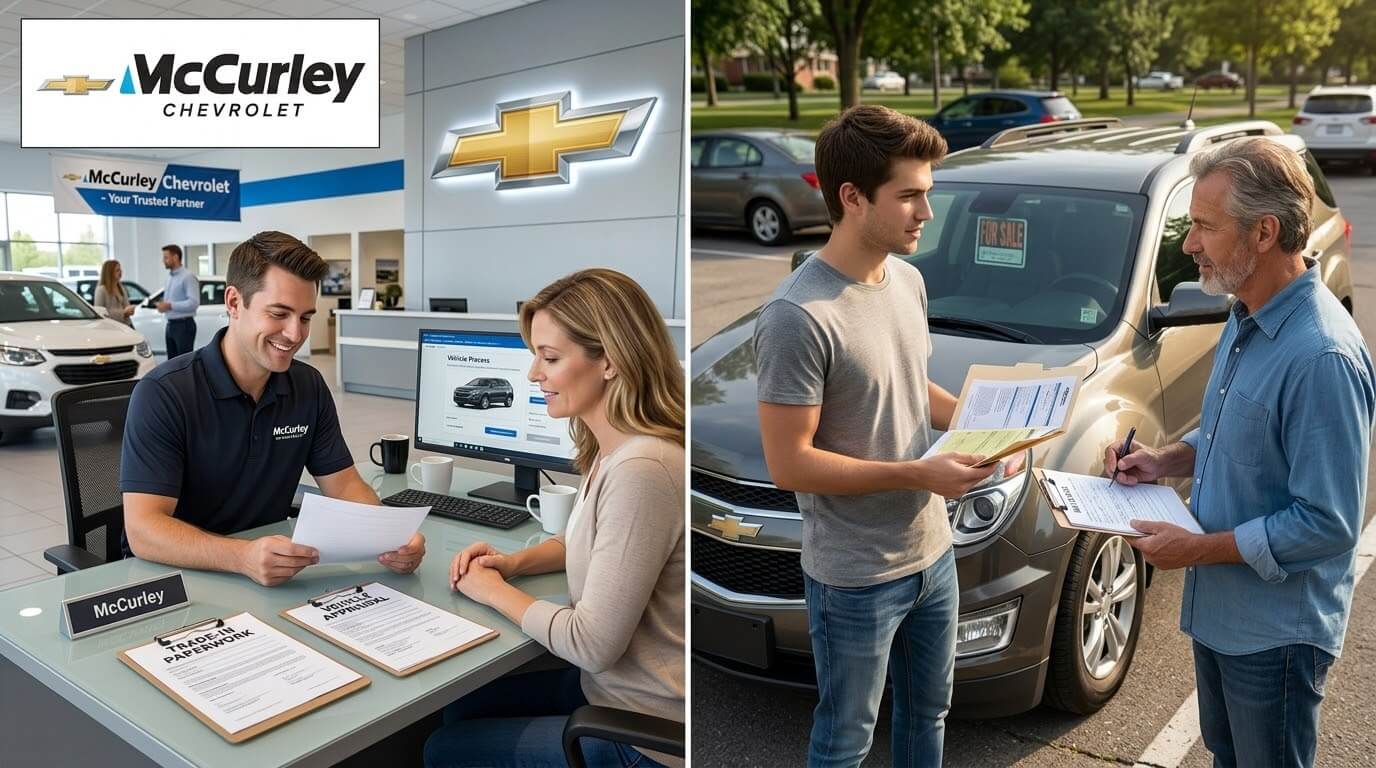
Trading in your vehicle at a dealership happens in one visit. You get an appraisal, agree on a number, and apply it directly toward your next purchase, often the same day. Selling privately takes longer by nature. You're photographing the car, writing a listing, fielding calls and messages, scheduling showings, and negotiating with strangers, which can stretch from days to weeks depending on demand for your specific vehicle.
What You'll Actually Net
Private sales sometimes bring a slightly higher price than a trade-in offer, since you're selling directly without a dealership markup built in. But that higher number doesn't account for your time, and it doesn't account for the tax benefit trading in provides in Washington, where your trade-in value reduces the taxable amount on your next vehicle. Once you factor that in, the real financial gap between the two options often shrinks or disappears entirely.
The Hassle Factor
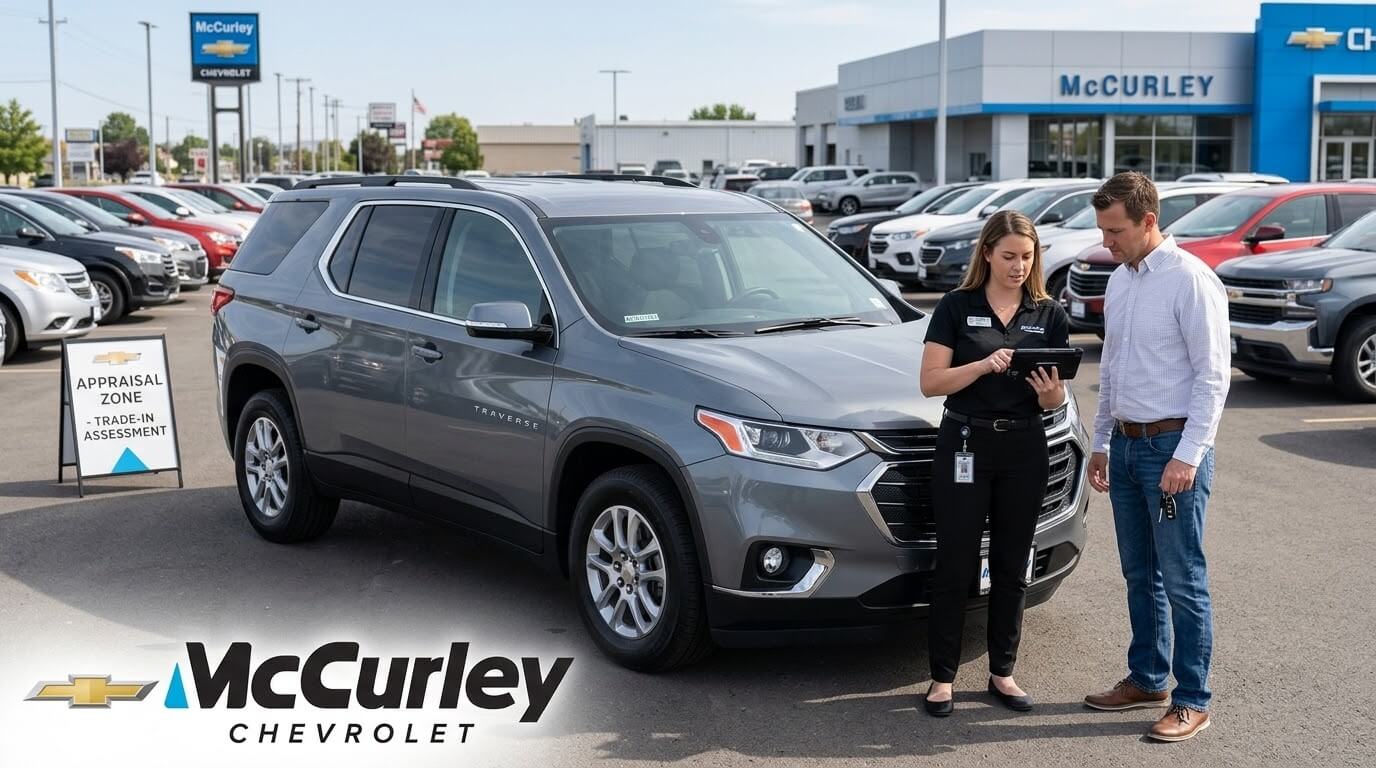
Private sales come with real friction most sellers underestimate going in. Meeting strangers for test drives, handling no-shows, negotiating over price, and managing paperwork like the title transfer all fall on you. Trading in skips every one of these steps. Our Pasco team handles the appraisal, paperwork, and payoff details, so you're not managing a second job on top of your regular one just to sell a car.
Handling an Existing Loan
If you still owe money on your current vehicle, trading in makes that process simpler. The dealership handles your loan payoff directly as part of the transaction. Selling privately with an existing loan is more complicated, since buyers are often wary of vehicles with liens, and you'll need to coordinate payoff with your lender separately from the sale itself.
Local Demand Affects Both Options
What sells well privately in the Tri-Cities isn't always what a private buyer elsewhere might want. Trucks and SUVs tend to move faster here given regional demand for towing and hauling capability, which can work in your favor either way, whether you're trading in or listing privately. Sedans and smaller vehicles sometimes take longer to sell privately in a market where trucks dominate demand.
Safety Considerations
Private sales mean meeting strangers, sometimes at your home or a public location, to show and hand off a vehicle. Trading in avoids that entirely, since the whole process happens within the dealership. For sellers who'd rather not coordinate solo meetups with unknown buyers, that's a real, if often overlooked, factor in the decision.
When Private Sale Makes More Sense
Private sale can make sense if your vehicle is in high demand, you have time to manage the process, and you're comfortable handling negotiations and paperwork yourself. It tends to work best for sellers who aren't in a rush and who have a vehicle type that moves quickly in the local market.
When Trading In Makes More Sense
Trading in tends to make more sense if you're buying your next vehicle at the same time, want to avoid the time and hassle of a private sale, or still owe money on your current loan. For most Tri-Cities buyers upgrading to a new Chevrolet, the convenience and tax benefit combined make trading in the more practical choice.
Getting an Honest Number Either Way
Whichever route you choose, start with a real appraisal rather than relying on a generic online estimate. Local demand, your vehicle's actual condition, and current market pricing all affect the number more than a national average tool can account for. Our Pasco team gives straightforward trade-in appraisals so you can compare that number against what you'd realistically expect from a private sale before deciding.
Get Your Trade-In EstimateNot necessarily. Once you factor in Washington's trade-in tax benefit and the time saved, the real financial gap often shrinks significantly.
Yes. The dealership handles your loan payoff directly as part of the trade-in process, which is simpler than coordinating a payoff during a private sale.
It varies by vehicle type and demand, but private sales commonly take anywhere from several days to a few weeks.
Yes, your trade-in value reduces the taxable amount on your next vehicle purchase in Washington.
Private sales involve meeting strangers for test drives and handoffs, which some sellers prefer to avoid. Trading in eliminates that step entirely.
Trucks and SUVs tend to move faster locally given regional demand for towing and hauling capability, compared to smaller sedans.