Understanding Your Maintenance Schedule
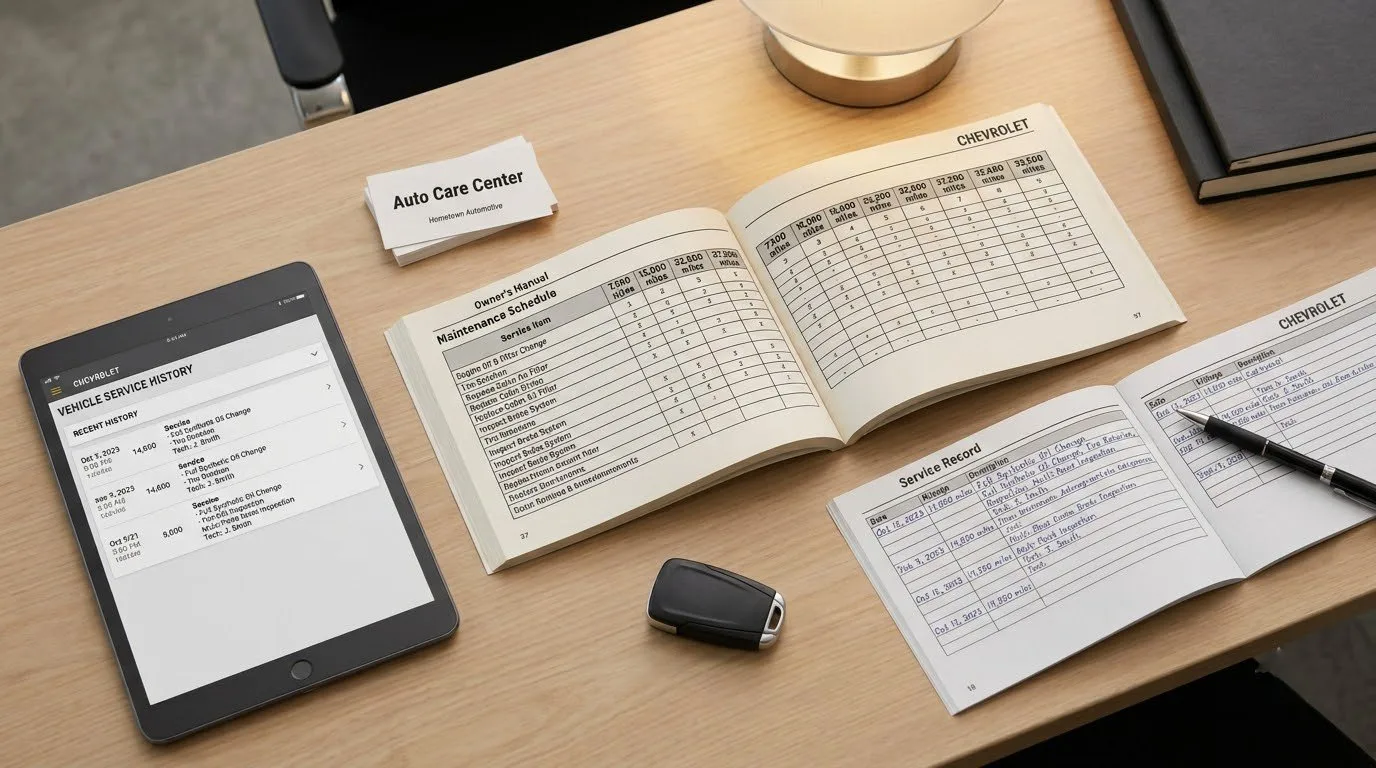
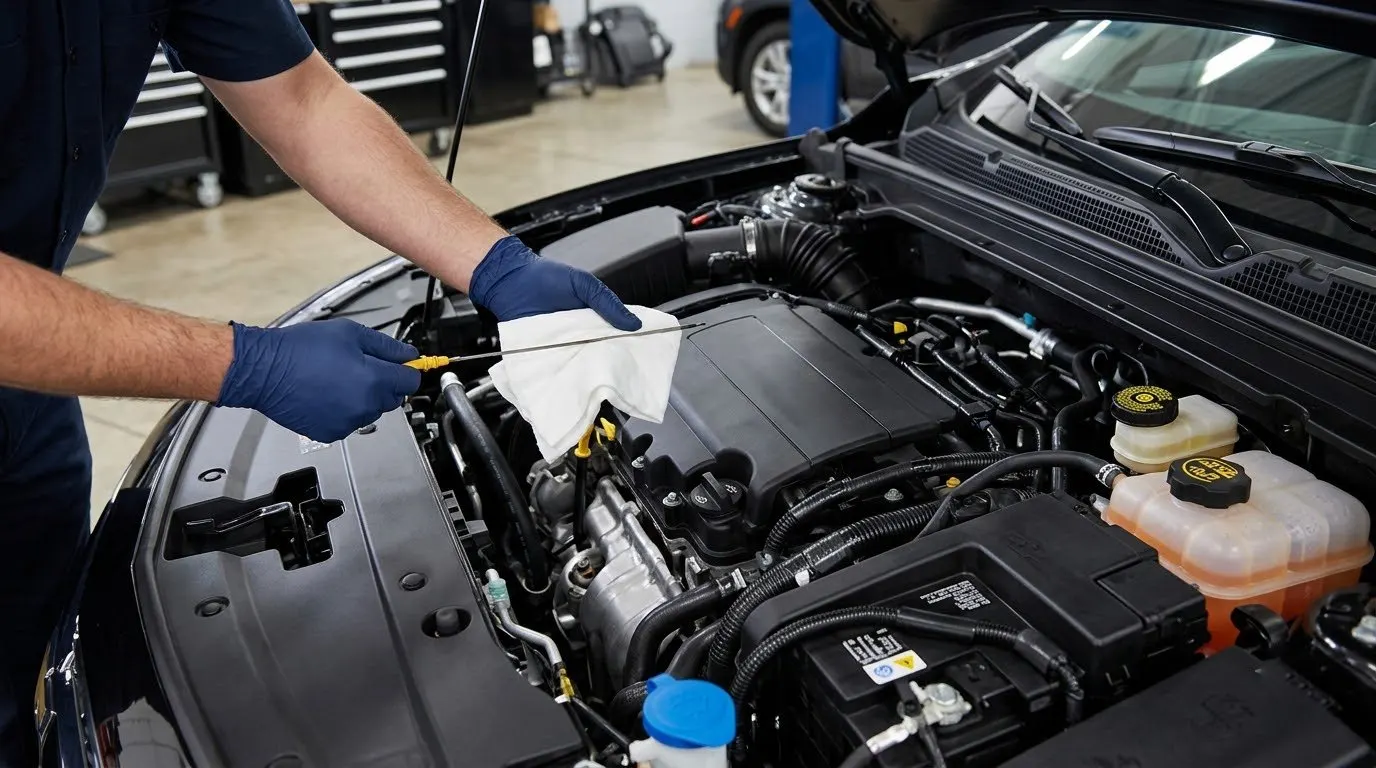
Every Chevrolet comes with a manufacturer-recommended maintenance schedule based on mileage and time intervals, not just a generic oil-change reminder. Items like oil changes, tire rotations, brake inspections, and fluid checks are scheduled at specific mileage markers, typically every 5,000 to 7,500 miles depending on your model and driving conditions. Sticking to this schedule matters more than people often realize, since skipped maintenance is one of the most common reasons for avoidable repairs down the road.
How Tri-Cities Driving Affects Maintenance Needs
Local driving conditions actually change how often certain maintenance items need attention. Dusty gravel roads outside Pasco can accelerate air filter wear, while summer heat puts extra strain on cooling systems and battery life. Drivers who tow regularly, common around here given how close the Columbia River sits to town, should pay closer attention to transmission fluid and brake wear, since towing adds stress those systems don't face during typical commuting.
Understanding Your Warranty Coverage
Chevrolet vehicles come with basic and powertrain warranty coverage that varies by model year and whether the vehicle was purchased new or certified pre-owned. Basic warranty typically covers most vehicle systems for a set period or mileage limit, while powertrain warranty extends further, covering the engine, transmission, and related components. Knowing exactly what's covered, and for how long, helps you plan for maintenance costs realistically rather than being surprised later.
What Warranty Doesn't Cover
Warranty coverage doesn't include routine maintenance items like oil changes, brake pads, or tire wear, which are considered normal upkeep rather than defects. Understanding this distinction upfront helps owners budget appropriately, since routine maintenance costs are a normal part of ownership regardless of remaining warranty coverage.
Common Warning Signs Worth Addressing Early
Dashboard warning lights, unusual noises, or changes in how your vehicle handles are worth addressing promptly rather than waiting. Small issues caught early, like a minor brake squeak or a check engine light triggered by a loose gas cap, are far cheaper to resolve than problems that get ignored until they cause secondary damage.
Seasonal Maintenance for Tri-Cities Weather
Summer heat and winter cold both put specific demands on your vehicle. Before summer, checking coolant levels and tire pressure matters more given regional heat. Before winter, battery health and tire tread become more important given occasional icy conditions on routes like Highway 12 and rural roads outside city limits. A seasonal check twice a year catches most issues before they become bigger problems.
Keeping Track of Service History
Maintaining a documented service history matters beyond just staying on schedule. It affects resale and trade-in value significantly, since buyers and dealers alike view a documented maintenance history as a strong signal of how well a vehicle was cared for. It also matters for warranty claims, since some coverage requires proof that scheduled maintenance was actually performed.
Genuine Parts vs. Aftermarket Parts
Using genuine Chevrolet parts during maintenance and repairs helps preserve warranty coverage and generally ensures better long-term fit and performance compared to generic aftermarket alternatives. While aftermarket parts can save money upfront, they sometimes cost more over time if they wear faster or cause compatibility issues with your vehicle's systems.
When to Bring Your Vehicle in for Service
Beyond scheduled maintenance, certain signs warrant an earlier visit: unusual vibrations, fluid leaks, dashboard alerts, or noticeable changes in fuel economy. Waiting until a scheduled appointment when something feels off isn't worth the risk if it could prevent a larger repair.
Why Local Service History Matters
Getting maintenance done at the same dealership where you bought your vehicle builds a documented history tied to your specific car, which helps with warranty claims and gives our Pasco service team direct context if issues come up later. That continuity is harder to replicate if you're bouncing between different shops for routine work.
Making the Most of Ownership
Staying current on maintenance, understanding your warranty, and paying attention to seasonal demands specific to Tri-Cities driving all add up to a Chevrolet that holds its value and performs reliably for years. These aren't complicated steps, but consistency matters more than any single major service visit.
Compare Chevrolet Models