How Trade-In Value Gets Calculated
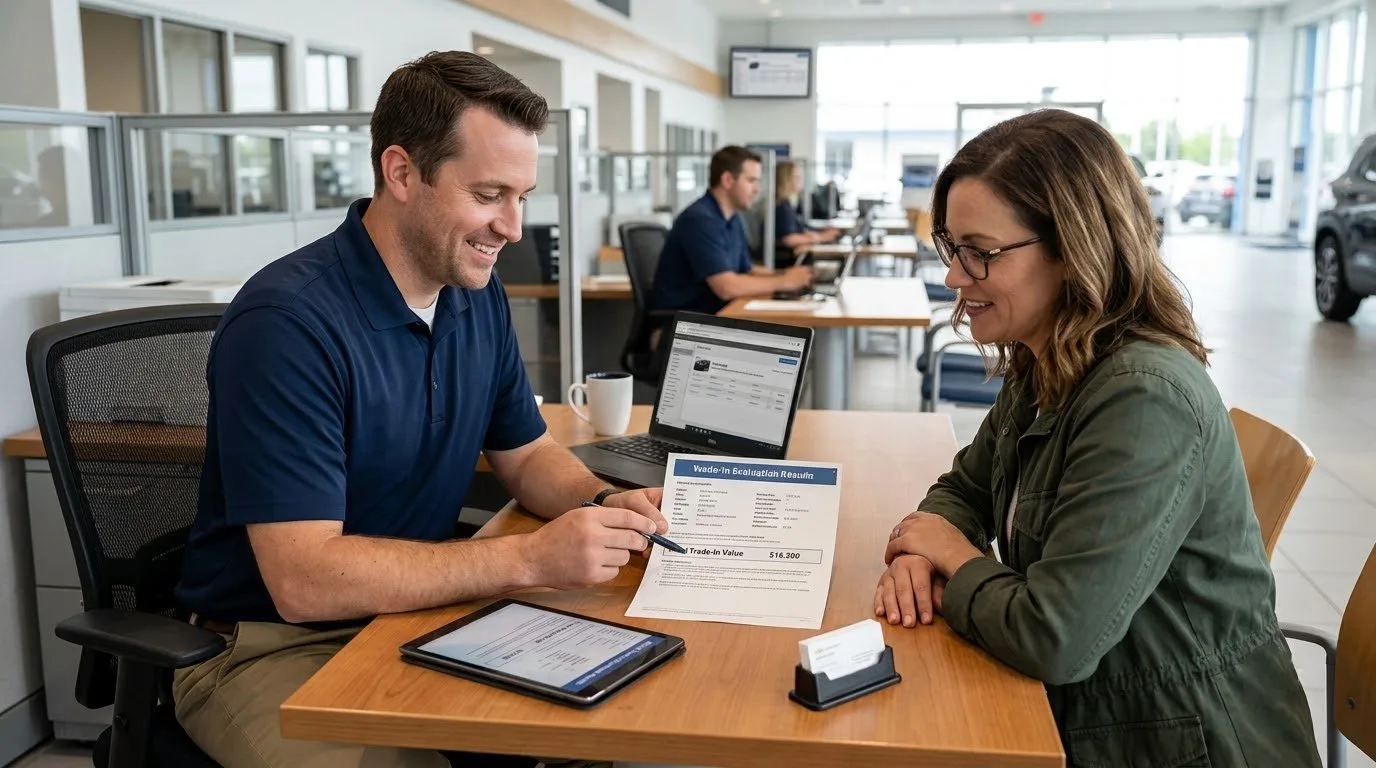
Trade-in value comes down to a handful of factors: your vehicle's age, mileage, condition, trim level, and current market demand. Two identical cars can be worth different amounts depending on regional demand, and that's especially true in a market like the Tri-Cities where certain trucks and SUVs move faster than sedans. Our Pasco team looks at real, current data rather than a generic national average that doesn't reflect what's actually selling locally.
Online Estimates vs. In-Person Appraisals
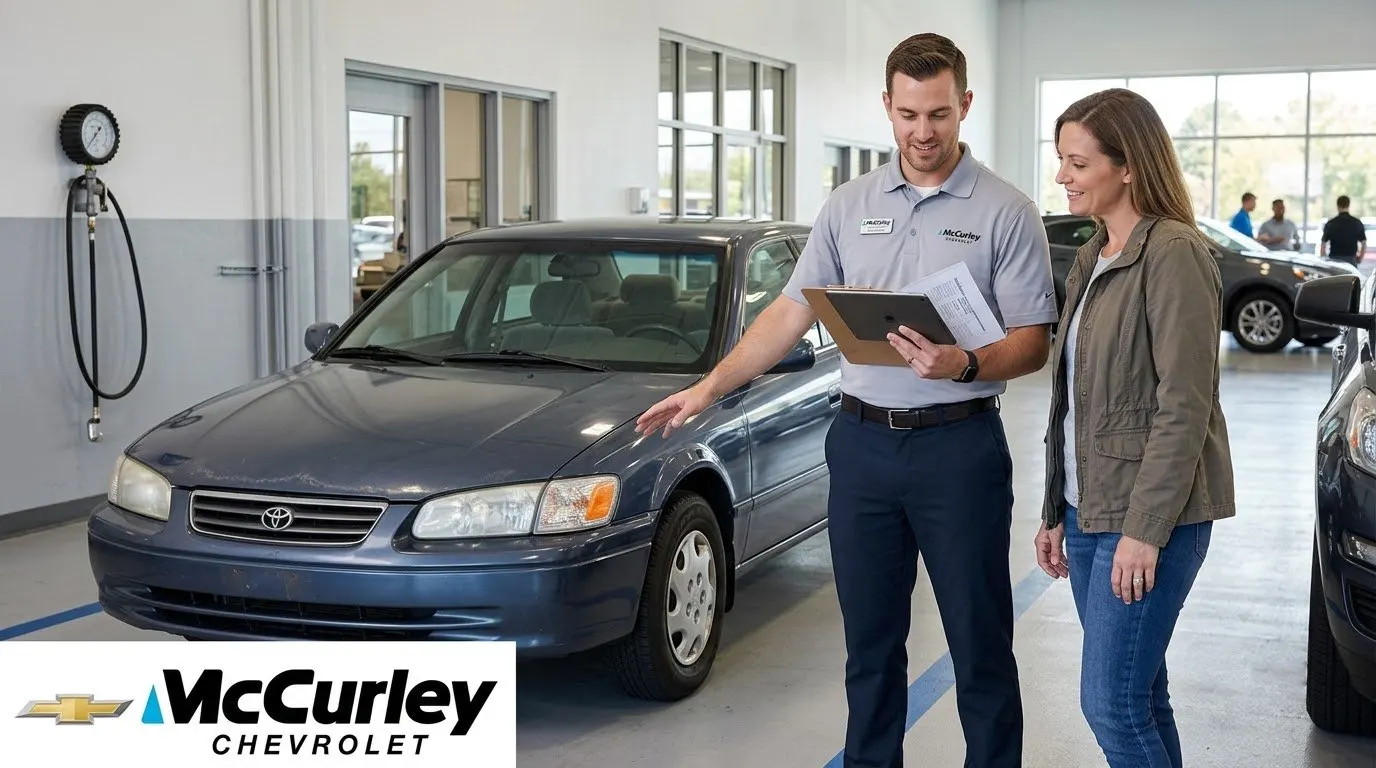
Online trade-in tools give you a starting point, but they're built on averages, not your actual vehicle. Two things they can't account for are your car's real condition and what local buyers are currently paying for it. An in-person appraisal accounts for wear, mechanical condition, and any features or upgrades that an online form simply can't ask about. If you've gotten a number online, treat it as a rough estimate rather than a final figure.
What Affects Your Vehicle's Value
Mileage matters, but it's not the only factor. Maintenance history, accident history, and even how well you've kept up with cosmetic details like interior wear and tire tread all play into the final number. Vehicles with clean maintenance records and no accident history typically appraise higher, even if the mileage is comparable to a similar vehicle without that history. If you have service records, bringing them along can genuinely help your number.
Trading In vs. Selling Privately
Selling privately can sometimes bring a slightly higher number, but it comes with real costs: time spent listing and showing the car, negotiating with strangers, and handling paperwork yourself. Trading in skips all of that and applies your vehicle's value directly toward your next purchase, which also reduces the taxable amount on your new vehicle in Washington. For most Tri-Cities buyers, the convenience and tax benefit make trading in the more practical choice.
Timing Your Trade-In
Market conditions shift, and certain vehicle types hold value better at different times. Trucks and SUVs, for example, often see steadier demand in this region given how many Tri-Cities drivers rely on them for work and towing. If you're not in a rush, it's worth asking our team about current demand for your specific make and model before committing to a timeline.
What to Bring for an Appraisal
A trade-in appraisal moves faster when you bring your title or loan payoff information, registration, and any maintenance records you have on hand. If there's an existing loan on the vehicle, our team can walk you through how that balance factors into your trade-in value and what it means for your next purchase.
Trading In With an Existing Loan
Still owing money on your current vehicle doesn't disqualify you from trading it in. If your trade-in value exceeds your loan payoff, that difference applies toward your next vehicle. If you owe more than the car is worth, our finance team can walk you through what that means for your next deal, since it's a common situation and not one that stops the process.
Why Local Appraisals Matter
A national average doesn't know that Silverados and Tahoes tend to hold value well in the Tri-Cities, or that certain sedans move slower in a market where trucks and SUVs dominate demand. Our Pasco team appraises vehicles based on what's actually happening in Kennewick, Richland, and Walla Walla right now, not a number pulled from unrelated markets.
Getting Started
Whether you're planning to buy soon or just want to know where you stand, getting your vehicle appraised costs nothing and takes less time than most people expect. It's a useful first step even if you're not ready to buy yet, since it helps you plan realistically for what's next.
Explore Chevrolet Models