How Chevrolet Trim Naming Works
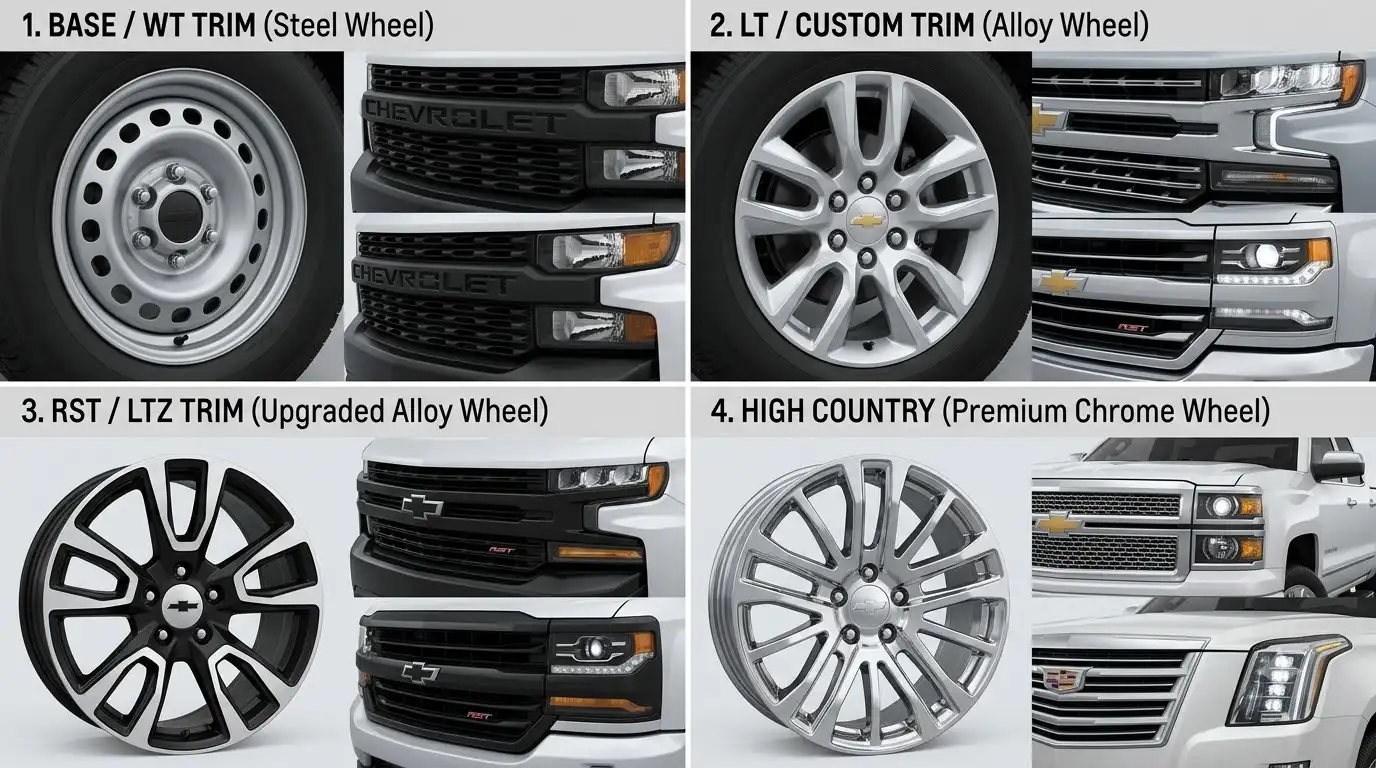
Chevrolet uses a fairly consistent naming structure across most of its lineup, starting with base trims like LS or WT, moving up through LT, and reaching higher trims like RS, Premier, or High Country depending on the model. Generally speaking, each step up adds more standard features, better materials, or additional performance options, though the specifics vary by model, so it's worth checking model-specific details rather than assuming naming translates identically across the lineup.
What Changes at the Base Trim Level
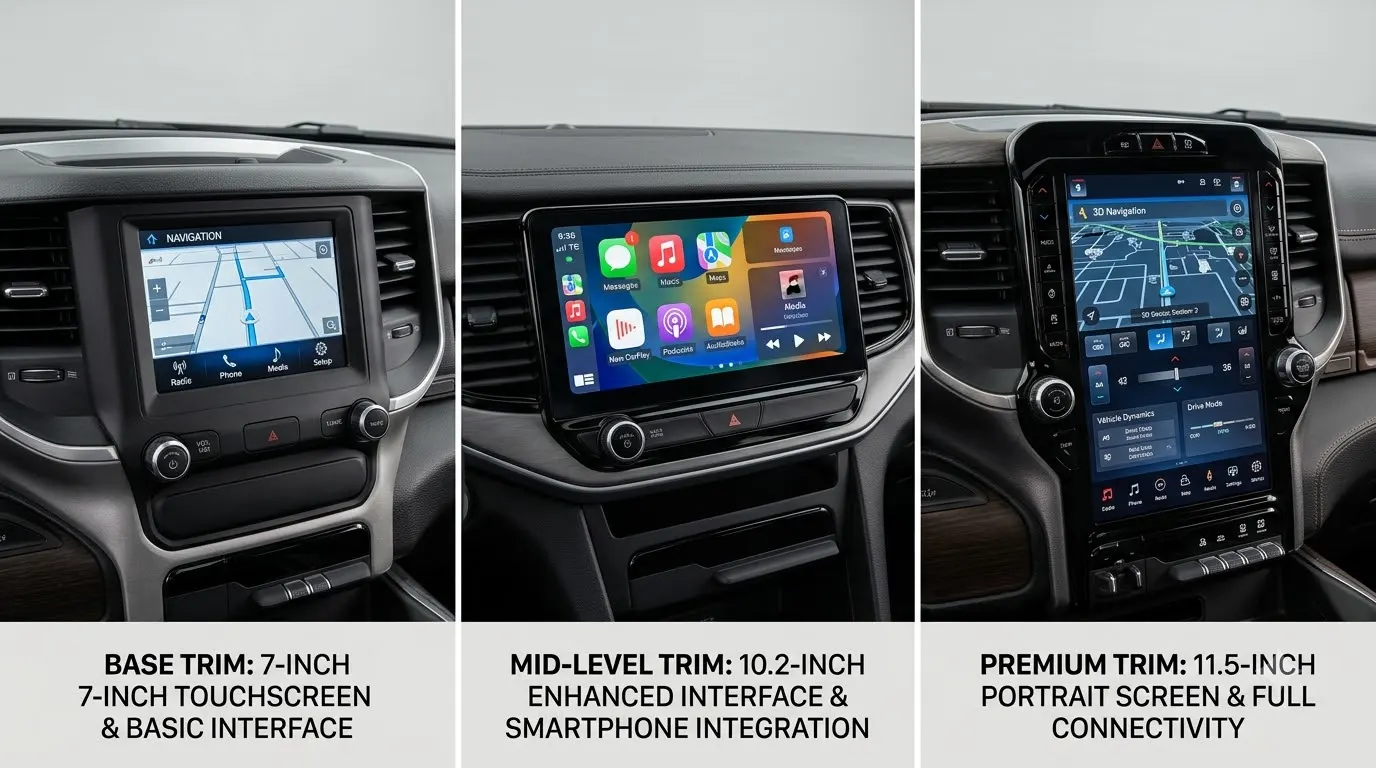
Base trims cover the essentials: a functional infotainment system, standard safety features, and the core engine option. They're built for buyers who want a reliable vehicle without paying for extras they won't use. Base trims tend to be the most budget-friendly entry point and often make sense for buyers prioritizing price over additional features.
Mid-Level Trims and Where Value Often Sits
Mid-level trims, often labeled LT or similar, tend to add a noticeable jump in features relative to their price increase: larger touchscreens, additional safety tech like blind spot monitoring, and often nicer interior materials. For a lot of buyers, this is where the best value sits, since the price increase over base often gets offset by genuinely useful added features rather than just cosmetic upgrades.
Performance and Off-Road Trims
Certain trims, like RS on SUVs or ZR2 on trucks, focus specifically on performance or off-road capability rather than just adding comfort features. RS trims typically bring sportier styling and sometimes minor performance tweaks, while ZR2 and similar off-road trims add real hardware changes like upgraded suspension and off-road tires. These trims make sense specifically for buyers who plan to use those capabilities, not just for the styling.
Premium and Luxury Trims
At the top of most model lineups sit trims like Premier or High Country, which add leather seating, premium audio, larger touchscreens, and the fullest suite of available driver assistance features. These trims cost significantly more than base or mid-level options, and whether they're worth it depends entirely on how much you personally value those comfort and convenience features versus keeping the price down.
Trim Differences That Affect Towing and Payload
On trucks and larger SUVs, trim level sometimes affects available towing and payload capacity, not just comfort features. Certain trims unlock specific engine options or towing packages that lower trims don't offer. If towing capacity matters to your decision, it's worth checking whether your preferred trim actually supports the towing numbers you need, rather than assuming all trims perform identically.
How to Decide Which Trim Fits Your Budget
The right trim usually comes down to which features you'll actually use regularly versus which ones sound nice but won't get used. Our Pasco team walks buyers through this constantly, since it's easy to get pulled toward a higher trim's features in a showroom without thinking through whether you'll use them daily. A clear-eyed look at your actual driving habits usually points toward the right trim more reliably than comparing spec sheets alone.
Trim Availability and Local Inventory
Not every trim is equally available at every dealership at all times, and popular trims sometimes move faster than others based on regional demand. Trucks and off-road trims, for example, tend to be in higher demand across the Tri-Cities given local towing and off-road use. Checking current local inventory before setting your heart on a specific trim can save time if that configuration isn't readily available.
Building vs. Buying Off the Lot
If a specific trim and option combination isn't currently in stock, building and ordering it directly is often a better path than settling for a different configuration. This gives you the exact trim and features you want rather than compromising based on what happens to be available at the moment.
Making Sense of It All
Trim decisions don't need to be complicated once you know what you're actually comparing. Focus on which features matter for how you actually drive, check whether your model's trim levels affect capability like towing, and don't assume higher automatically means better for your specific situation.
Compare Trim Specs