Chevrolet's Current EV Lineup
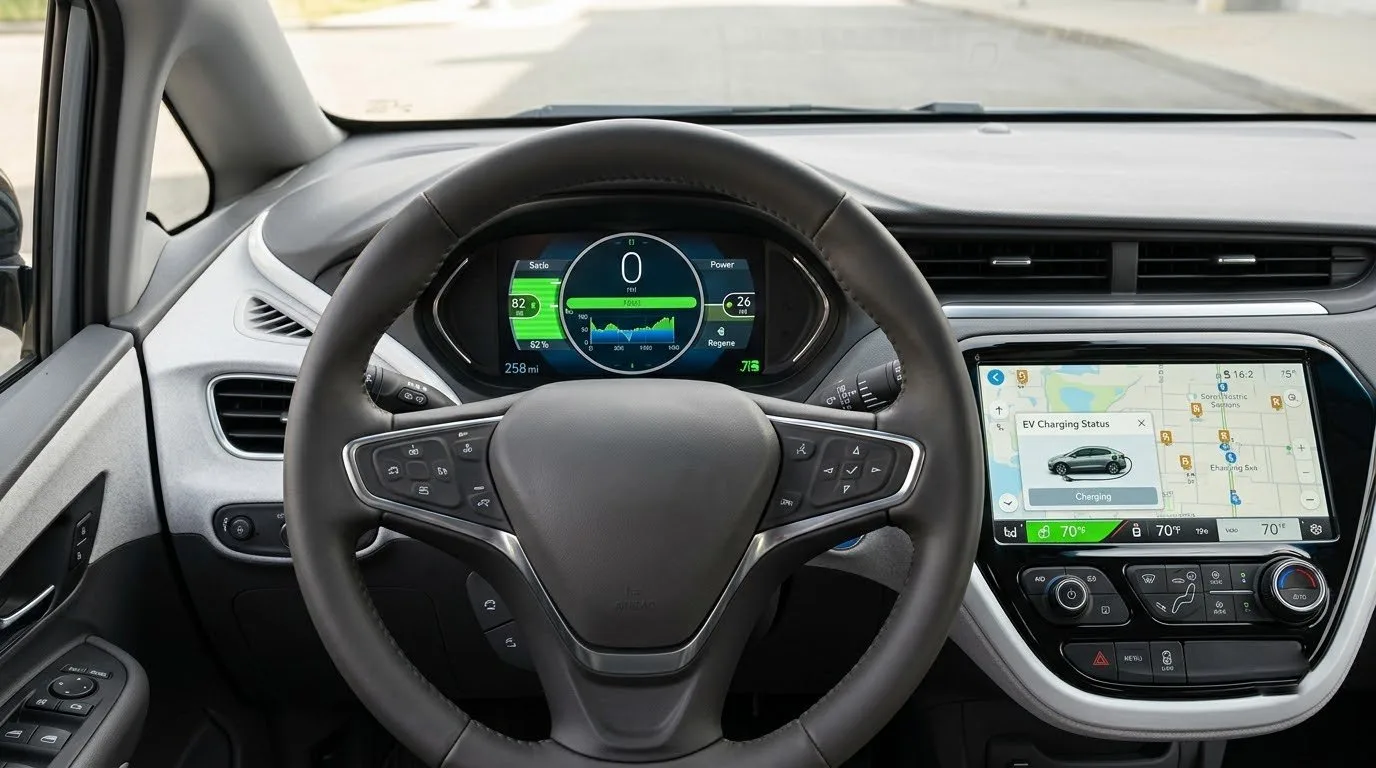
Chevrolet's electric lineup includes models like the Equinox EV and Blazer EV, both built on the same general platform philosophy: real driving range, familiar SUV styling, and tech that doesn't require relearning how to drive. These aren't experimental vehicles. They're built to function as a primary daily vehicle, not just a second car for short trips around town.
How Far Can You Actually Drive on a Charge
Range varies by model and trim, but most current Chevrolet EVs offer enough range to comfortably cover daily commuting around Pasco, Kennewick, and Richland without needing a mid-day charge. Longer trips, like heading toward Spokane or over to the coast, take more planning around charging stops, but for typical daily use, range tends to be a non-issue once people actually live with the vehicle rather than worrying about it in theory.
Charging at Home vs. Public Charging
Most EV owners do the majority of their charging at home overnight, which means daily driving essentially starts each morning with a full charge, similar to waking up with a full tank without ever visiting a gas station. Public charging stations fill the gap for longer trips or if home charging isn't available, and charging infrastructure across Washington has expanded significantly, though it's still less dense than gas stations in rural stretches outside the Tri-Cities.
Hybrid Options for a Middle Ground
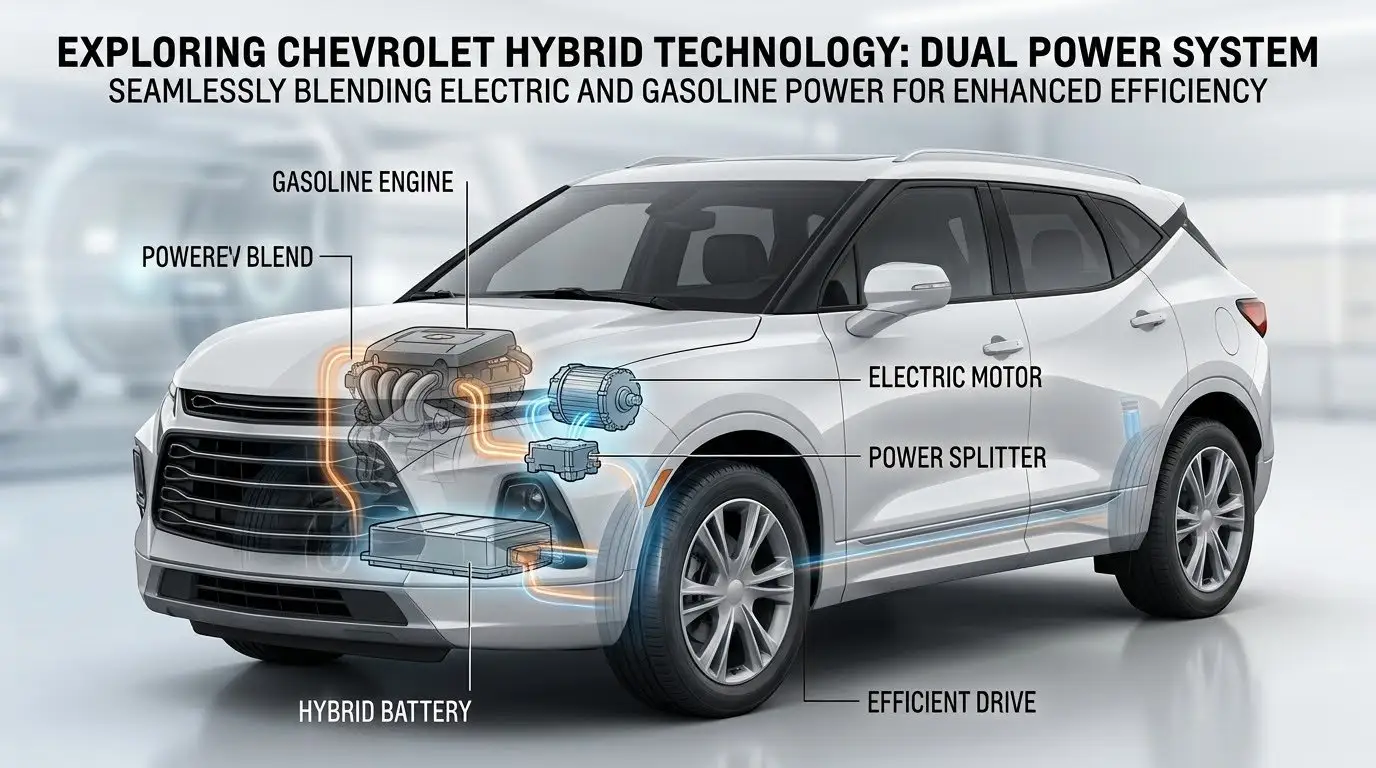
Not every driver is ready to go fully electric, and Chevrolet's hybrid options offer a middle path. Hybrids combine a traditional engine with electric assistance, improving fuel economy without requiring a change in how you fuel up or plan trips. For drivers who want better mileage without adjusting their routine around charging, hybrid models solve that without asking for a lifestyle change.
Cost Comparison: EV, Hybrid, and Gas
Upfront pricing on EVs tends to run higher than comparable gas models, though incentives can offset some of that difference. Running costs tell a different story, since electricity typically costs less per mile than gasoline, and EVs require less routine maintenance since they have fewer moving parts like oil changes or transmission service. Hybrids sit in between, with a smaller price premium over gas models but real fuel savings over time.
Incentives and Tax Credits
Federal and state incentives can reduce the effective cost of an EV purchase, though eligibility depends on the specific vehicle, your income, and current program rules, which change periodically. Our Pasco finance team stays current on what's actually available right now, since outdated incentive information online is a common source of confusion for buyers.
Maintenance Differences
EVs generally require less routine maintenance than gas vehicles, since there's no oil to change and fewer moving mechanical parts overall. Brake wear also tends to be lower thanks to regenerative braking systems. Hybrids still require traditional maintenance like oil changes, but often less frequently than a comparable gas-only vehicle, since the engine works less overall.
Winter Performance in the Tri-Cities
Cold weather does affect EV range, typically reducing it somewhat during colder months, which matters for Tri-Cities winters. Most current Chevrolet EVs account for this with battery preconditioning and other features designed to minimize the impact, but it's worth planning around during the coldest stretches of the year rather than being surprised by it.
Is an EV or Hybrid Right for Your Driving Habits
The honest answer depends on your daily mileage, whether you have reliable home charging access, and how often you take longer road trips that would require public charging stops. Drivers with predictable daily commutes and home charging tend to be the best fit for a full EV. Drivers who want better mileage without changing their routine often do better with a hybrid.
Talking It Through With Our Team
These decisions rarely come down to a single factor, and our Pasco team spends real time walking through actual daily driving patterns with buyers rather than pushing one option over another. What works well for a Kennewick commuter with a garage and home charger might not work the same way for someone driving longer rural routes without easy charging access.
Compare EV & Gas Models