What a Chevrolet Trade-In Is Actually Worth in the Tri-Cities Market
Every seller wants the same thing: a real number, not a guess. But trade-in value isn't one fixed figure pulled from a database. It's shaped by your specific vehicle's condition, current local demand, and market factors that can shift more often than most people realize. Here's what actually goes into determining what your Chevrolet is worth in the Tri-Cities.
Why Local Market Data Matters More Than a National Average
A generic online trade-in tool pulls from national data, which doesn't necessarily reflect what's happening in Pasco, Kennewick, or Richland. Trucks and SUVs, for example, can have strong demand in this region because many local drivers rely on them for towing, hauling, and traveling on gravel roads outside city limits. That regional demand can influence trade-in values for popular Chevrolet trucks and SUVs compared with a national estimate.
Vehicle Condition and Its Real Impact
Condition affects trade-in value more than most sellers expect. Interior wear, tire tread, paint condition, and mechanical soundness all factor into the final number. A well-maintained vehicle with documented service history may appraise higher than a comparable vehicle without those records, even when mileage is similar. Addressing issues such as a cracked windshield or check-engine light before an appraisal may also affect the vehicle's overall evaluation.
Mileage and Age Considerations
Mileage remains an important factor in trade-in value, but it isn't evaluated in isolation. A higher-mileage vehicle with excellent maintenance records can sometimes compare favorably with a lower-mileage vehicle that has a less consistent history. Age matters as well, since demand can vary between model years based on reliability, features, equipment, and buyer preferences.
How Trim Level Affects Trade-In Value
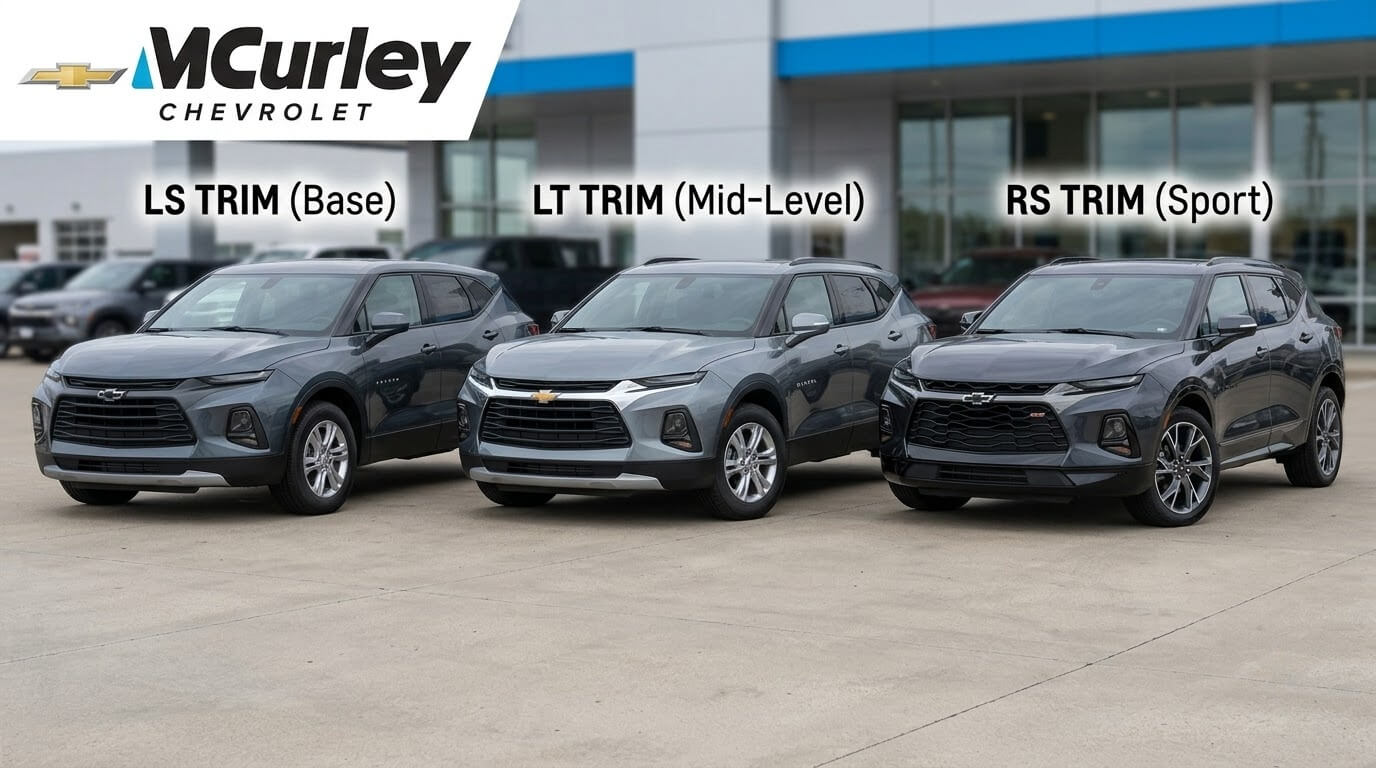
Higher trims generally have higher trade-in values than base trims of the same model and year, but the difference varies by vehicle and market conditions. Popular features such as leather seating, larger touchscreens, technology packages, or off-road equipment can influence desirability, particularly on trucks and SUVs where those features may have practical value.
Seasonal Demand Shifts
Trade-in values and buyer demand can change throughout the year. Trucks and SUVs may see stronger interest during periods when towing, boating, camping, and other outdoor activities become more common around the Columbia River. Smaller vehicles can follow different seasonal patterns. Timing can therefore be one factor to consider when deciding when to trade in your Chevrolet.
What an Online Estimate Misses
Online trade-in estimators can provide a useful starting point, but they can't fully account for your vehicle's actual condition, local demand, equipment, or recent market activity. Treat an online number as an estimate rather than a guaranteed offer, and consider getting an in-person appraisal before making decisions based on a projected trade value.
How Trade-In Value Affects Your Next Purchase
In Washington, the tax treatment of a vehicle trade-in can affect the overall economics of your next vehicle purchase. Because tax rules and applicable deductions can depend on the transaction, it's important to discuss the current requirements when comparing trading in with selling privately. Factoring the complete transaction—not just the trade-in offer—gives you a clearer picture of the potential savings.
Getting an Accurate Number
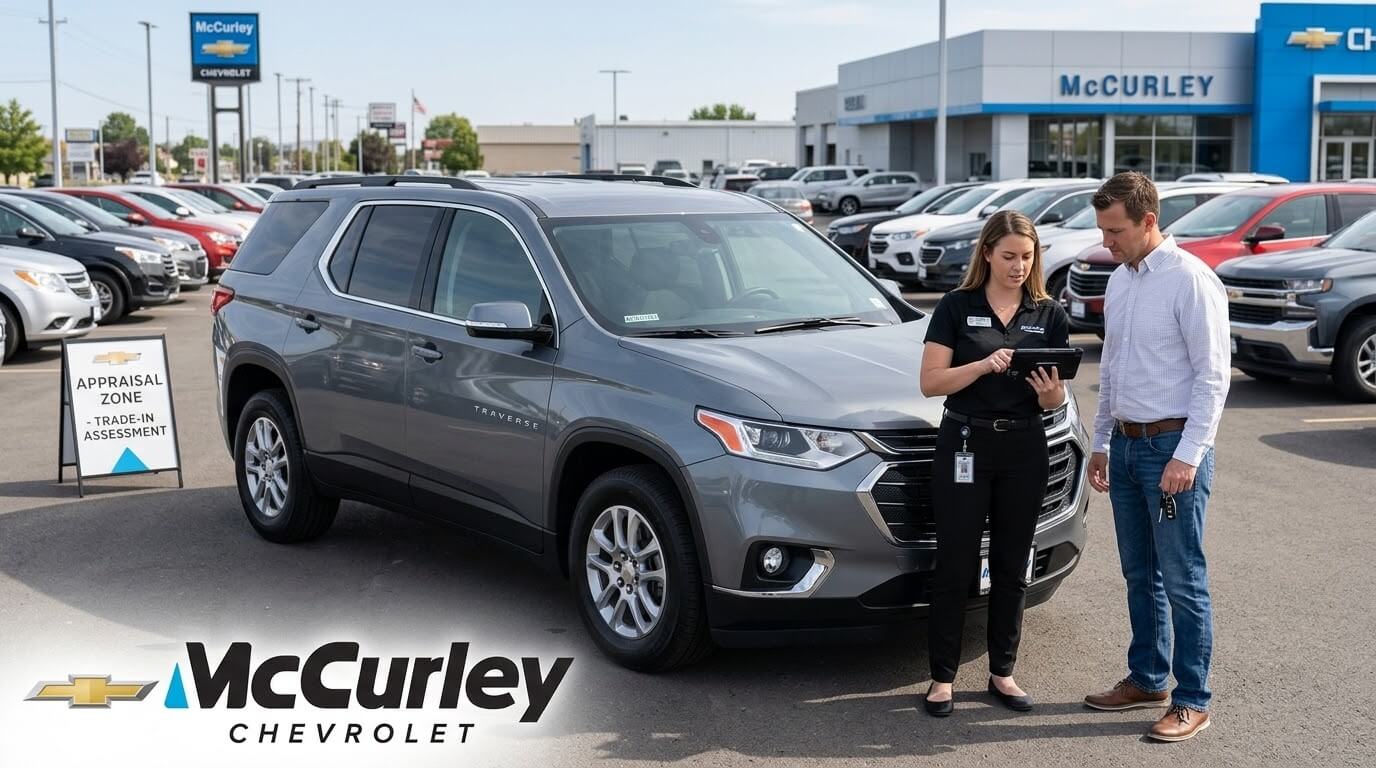
The most reliable way to determine your Chevrolet's trade-in value is through a local, in-person appraisal that considers the vehicle's actual condition, equipment, mileage, and current market demand. Our Pasco team can evaluate your vehicle and provide an appraisal based on current market conditions rather than relying solely on a generic national estimate.
Why This Matters Before You Buy
Knowing your trade-in value upfront helps you plan realistically for your next Chevrolet, whether you're establishing a budget for a new purchase or deciding whether now is the right time to trade. It's a useful step even before you're ready to commit to buying, because understanding your vehicle's potential value gives you a clearer starting point for your next decision.
Get Your Trade-In EstimateCondition, mileage, trim level, maintenance history, and current local demand all play significant roles in determining trade-in value.
Often, yes. Regional demand for towing and hauling capability tends to keep trade-in values stronger for trucks and SUVs compared to other markets.
Yes, seasonal demand shifts can affect trade-in value, particularly for trucks and SUVs heading into towing season.
They provide a rough starting point but can't account for your vehicle's actual condition or current local market demand, so treat them as an estimate rather than a final number.
Yes, higher trims with popular features generally trade in for more than base trims of the same model and year.
Yes, in Washington, your trade-in value reduces the taxable amount on your next purchase, adding real savings beyond the trade-in number itself.