Is Certified Pre-Owned Worth It? A Tri-Cities Buyer's Breakdown
The certified pre-owned badge comes with a higher price tag than a standard used vehicle, and that raises a fair question: is it actually worth paying more for? The honest answer depends on what you value most as a buyer, but here's the real breakdown so you can decide for yourself rather than taking a sales pitch at face value.
What You're Actually Paying For
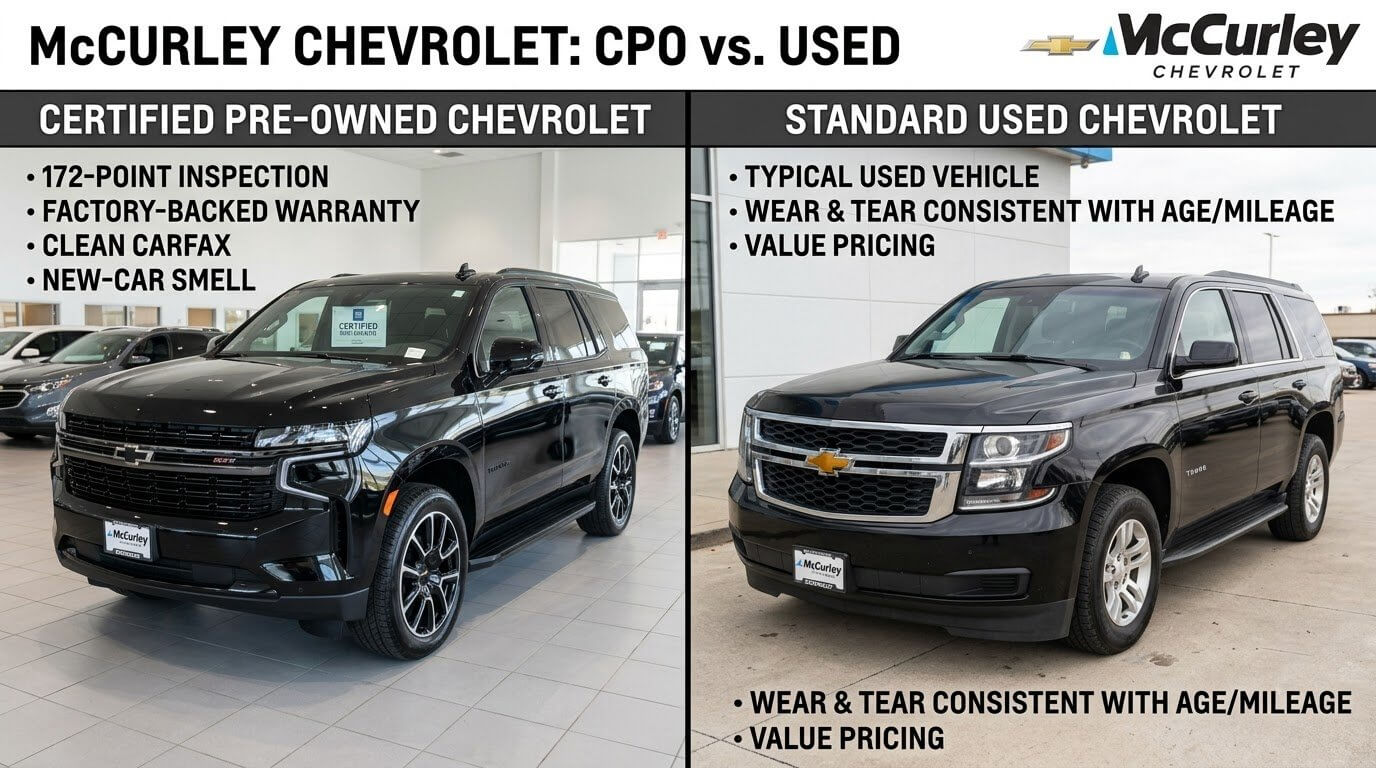
The CPO premium isn't just a label. It covers a documented multi-point inspection, repairs made with genuine parts before sale, a vehicle history report, and extended warranty coverage beyond what a standard used vehicle offers. When you compare CPO pricing against a similar non-certified used vehicle, you're paying for verification and protection, not just a badge.
The Inspection Difference
A standard used car sale relies on you trusting the seller's word or paying for your own independent inspection. A CPO Chevrolet has already gone through a documented inspection covering mechanical systems, safety features, and overall condition, with any issues repaired before the vehicle qualifies for certification. That process alone often justifies part of the price difference for buyers who'd otherwise pay for their own inspection anyway.
Warranty Coverage: The Biggest Value Driver
For most buyers, warranty coverage is where CPO earns its price premium. Extended manufacturer-backed coverage protects against major repair costs in the years right after purchase, when unexpected mechanical issues tend to hit hardest financially. A standard used vehicle typically comes with no warranty at all beyond whatever remains from the original manufacturer coverage, which may have already expired.
Comparing the Real Numbers
Run the math side by side: a non-certified used vehicle might save you a few thousand dollars upfront, but a major repair without warranty coverage can easily cost more than that difference. CPO doesn't guarantee nothing will go wrong, but it significantly reduces your financial exposure if something does, which matters most in the first year or two of ownership.
When CPO Makes the Most Sense
CPO tends to make the most sense for buyers who want a newer model year vehicle at a lower price than new, but who aren't comfortable taking on the uncertainty of a completely unverified used vehicle. It's also a strong fit for buyers without the time or resources to get an independent inspection done themselves before purchase.
When a Standard Used Vehicle Might Make More Sense
If you're working with a tighter budget, comfortable doing your own research and inspection, or buying an older vehicle that wouldn't qualify for CPO age and mileage limits anyway, a standard used vehicle can still be a smart choice. CPO isn't the right fit for every buyer or every budget.
Financing Differences
CPO vehicles often qualify for more competitive financing rates than standard used vehicles, sometimes closer to new-vehicle rates depending on the lender and vehicle age. That financing advantage can offset part of the price premium over the life of the loan, which is worth factoring into your total cost comparison rather than looking at sticker price alone.
Local Considerations for Tri-Cities Buyers
Buying CPO locally in Pasco means you have an established relationship with a dealership for any warranty work or service needs down the road, rather than dealing with a private seller who's no longer reachable after the sale. That ongoing local support matters more over years of ownership than it does on the day of purchase.
Questions Worth Asking Before You Decide
Before committing either way, ask specifically what the CPO inspection covered, how much warranty coverage remains, and what the total cost comparison looks like against a similar non-certified vehicle. A dealership confident in its CPO process should answer these directly rather than deflecting to general marketing language.
Making the Right Call for Your Situation
There's no universal right answer here. CPO tends to make financial sense for buyers who value warranty protection and documented condition, while a standard used vehicle can work for buyers comfortable with more risk in exchange for a lower price. Knowing your own priorities is the real deciding factor, not a generic recommendation.
Generally yes, since CPO includes inspection, repairs, and extended warranty coverage that standard used vehicles don't include.
For many buyers, yes, since it significantly reduces financial risk from major repairs in the first years of ownership.
Yes, CPO pricing is negotiable like any vehicle purchase, though the price reflects the added inspection and warranty coverage.
Often yes, CPO vehicles can qualify for more competitive rates than standard used vehicles, depending on the lender and vehicle specifics.
Limits vary by program specifics, but CPO vehicles are generally recent model years with verified mileage within set limits.
Often yes, since the warranty coverage and documented condition history provide more predictability for long-term ownership.