One of the first questions almost every EV buyer asks is some version of "where do I actually charge this thing?" It's a fair question, and the answer in the Tri-Cities is better than a lot of people expect. Charging infrastructure across Pasco, Kennewick, and Richland has grown steadily, and most owners find that home charging covers the bulk of their needs anyway.
Home Charging: Where Most Charging Actually Happens
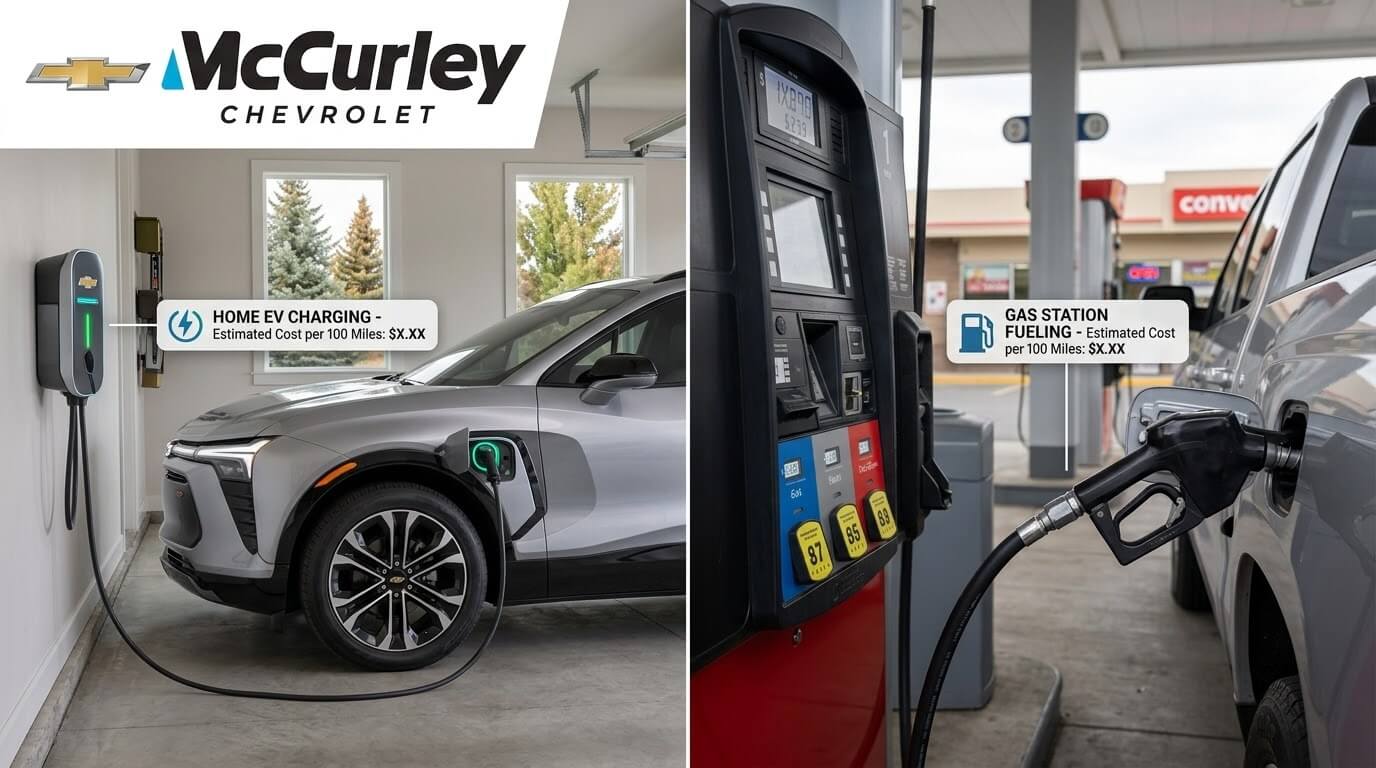
For most EV owners, daily charging happens at home overnight, similar to plugging in a phone before bed. A standard Level 2 home charger installation covers a full charge in a matter of hours, meaning most days start with a full battery without ever needing to think about public charging at all. Several local electrical contractors around the Tri-Cities specialize in home EV charger installation, and our Pasco team can point you toward options if you're setting one up for the first time.
Public Charging Around the Tri-Cities
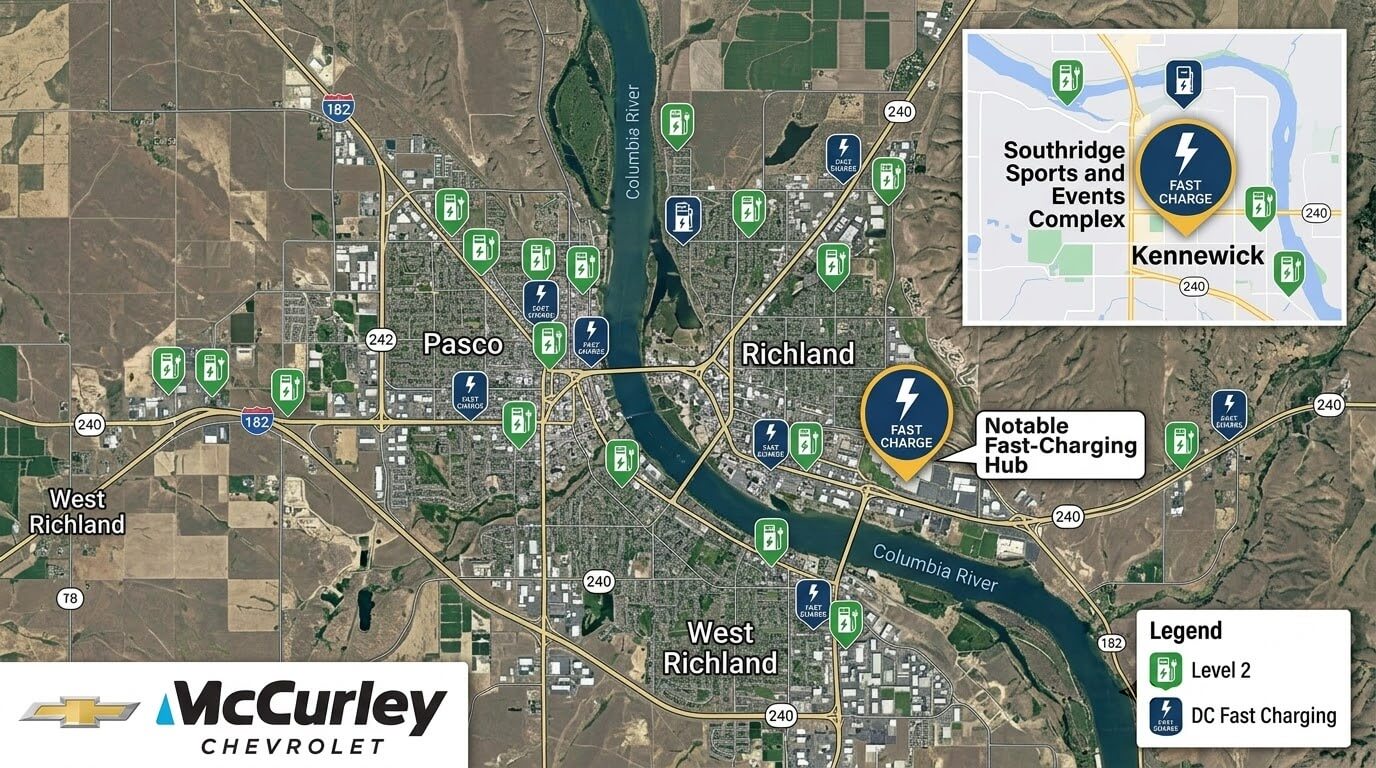
Public charging stations have expanded across Pasco, Kennewick, and Richland in recent years, with stations available at various retail locations, public facilities, and dedicated charging sites throughout the region. One notable example is the fast-charging station at Kennewick's Southridge Sports and Events Complex, part of a broader regional effort to expand charging access along eastern Washington highway corridors. Coverage continues to grow, so it's worth checking a current charging map app before a longer trip to confirm what's available along your route.
DC Fast Charging for Longer Trips
For trips beyond daily commuting range, DC fast chargers cut charging time down significantly compared to standard Level 2 charging, making longer drives out of the Tri-Cities more practical. These fast chargers are becoming more common along major regional routes, which matters if you're planning trips toward Spokane, the coast, or other destinations beyond typical daily driving range.
Charging at Work or Public Locations
Some workplaces and public locations around the Tri-Cities offer charging as an added convenience, which can help top off a battery during the day without any extra effort. It's worth checking with your employer or common daily stops if extending your range during the day would be useful for your specific routine.
What Charging Speed Actually Means
Charging speed varies significantly by charger type. Level 1 charging, using a standard household outlet, is the slowest option and works best as a backup rather than a primary charging method. Level 2 charging, typical for home installations, charges significantly faster and covers most daily charging needs. DC fast charging is the quickest option, designed for topping off during longer trips rather than daily use.
Planning Charging Around Tri-Cities Weather
Summer heat and winter cold both affect EV charging and range somewhat, which is worth factoring into trip planning during extreme temperature months. Most current Chevrolet EVs include features like battery preconditioning to help manage this, but it's still worth building in a little extra buffer time when planning longer trips during peak summer or winter conditions.
Cost Considerations for Charging
Charging costs vary depending on whether you're charging at home, where you're paying standard residential electricity rates, or using a public charging station, which sometimes carries a per-session or per-kilowatt-hour fee. Generally, home charging remains the most cost-effective option for regular daily use, with public charging serving more as a convenience for trips or top-offs away from home.
Getting Set Up for Home Charging
If you're considering an EV and don't yet have home charging set up, it's worth planning that installation before or shortly after your purchase, since it shapes your entire daily charging routine. Local electricians experienced with EV charger installation can walk you through what setup makes sense for your home's electrical system and your specific vehicle.
Talking Through Charging Logistics Before You Buy
Every EV buyer's situation looks a little different depending on their daily driving distance, home charging access, and how often they take longer trips. Our Pasco team talks through actual charging logistics with buyers before they commit, since understanding your real charging routine matters more than any spec sheet number.
Read the Full EV GuideYes, most EV owners charge primarily at home using a Level 2 charger, which several local electrical contractors can install.
Yes, public charging stations are available at various locations across the Tri-Cities, including retail locations and public facilities like Kennewick's Southridge Sports and Events Complex.
DC fast chargers significantly reduce charging time compared to home Level 2 charging, making them useful for topping off during longer trips.
Yes, cold temperatures can affect charging speed and range somewhat, though most current EVs include features to help manage this impact.
Home charging is generally more cost-effective for regular daily use, while public charging serves more as a convenience option for trips.
A Level 2 home charger is recommended for most owners, and local electricians who specialize in EV installations can help set it up correctly.