How Much Does It Cost to Charge a Chevrolet EV vs. Fill Up on Gas in Washington
Washington consistently ranks among the most expensive states in the country for gas, often trailing only California and Hawaii. That gap matters a lot when you're comparing the real cost of driving a gas-powered Chevrolet against an EV, especially for Tri-Cities drivers putting real miles on their vehicle every week.
Why Washington's Gas Prices Matter for This Comparison
Washington's gas prices tend to run well above the national average, driven by state fuel taxes and regional supply factors. That gap means the cost savings of switching to an EV in this state tend to be larger than they'd be in a lower-cost state, which is worth factoring in if you've seen national EV savings estimates that don't account for Washington specifically.
How Home Charging Costs Compare to Filling Up
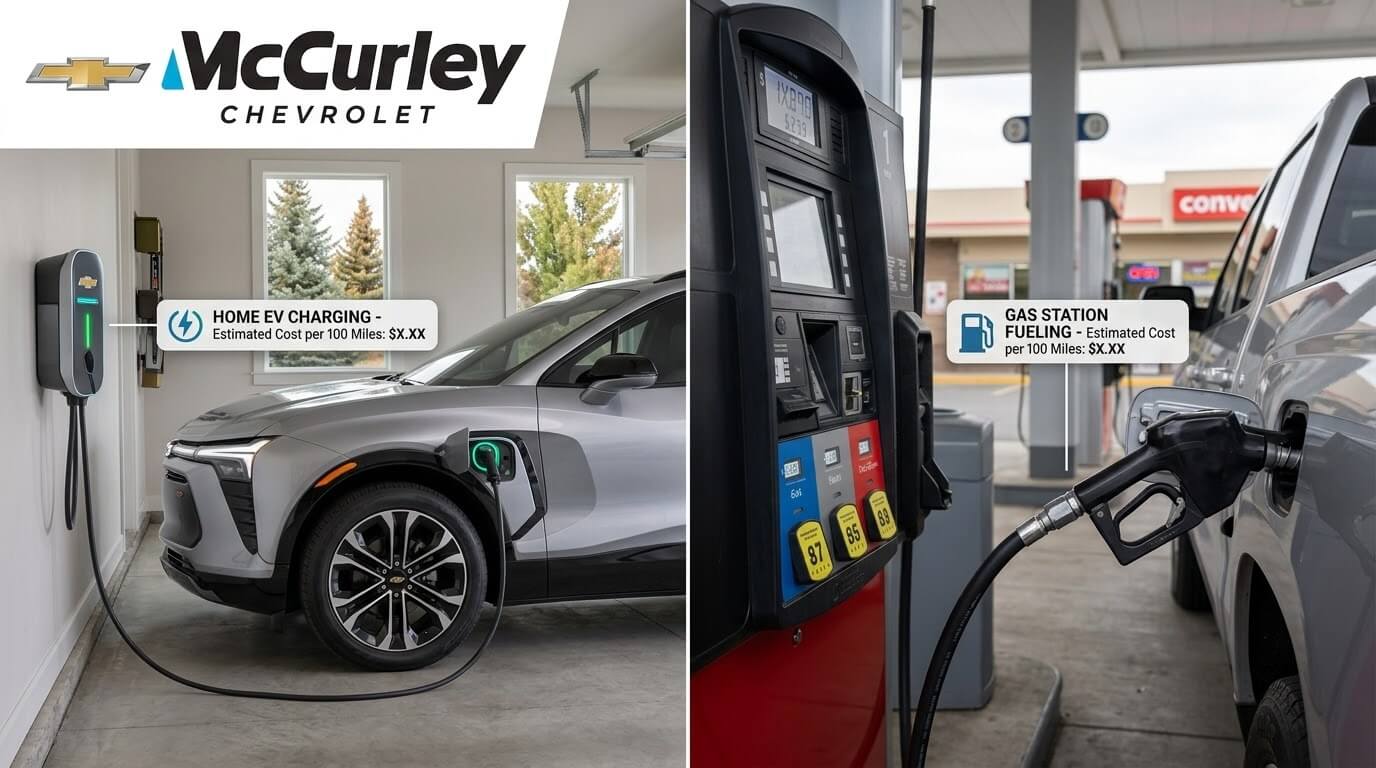
Charging an EV at home runs on your standard residential electricity rate, and Washington's electricity costs are actually below the national average thanks to the region's hydroelectric power. That combination, lower electricity costs paired with higher gas prices, makes the cost gap between EV charging and gas fill-ups more pronounced in Washington than in many other states.
Estimating Monthly Fuel Costs
For a driver putting in a typical monthly mileage, charging an EV at home generally costs meaningfully less than filling a comparable gas vehicle in Washington, given current gas prices. Exact savings depend on your specific vehicle's efficiency, your electricity rate, and how many miles you drive monthly, but the gap tends to favor EV charging clearly in this state.
Public Charging Costs vs. Home Charging
Public charging stations sometimes carry a per-session or per-kilowatt-hour fee that runs higher than home charging rates. Even accounting for occasional public charging use, most EV owners still come out ahead on fuel costs compared to gas, since the bulk of charging happens at home at lower residential rates.
Maintenance Savings Add to the Cost Gap
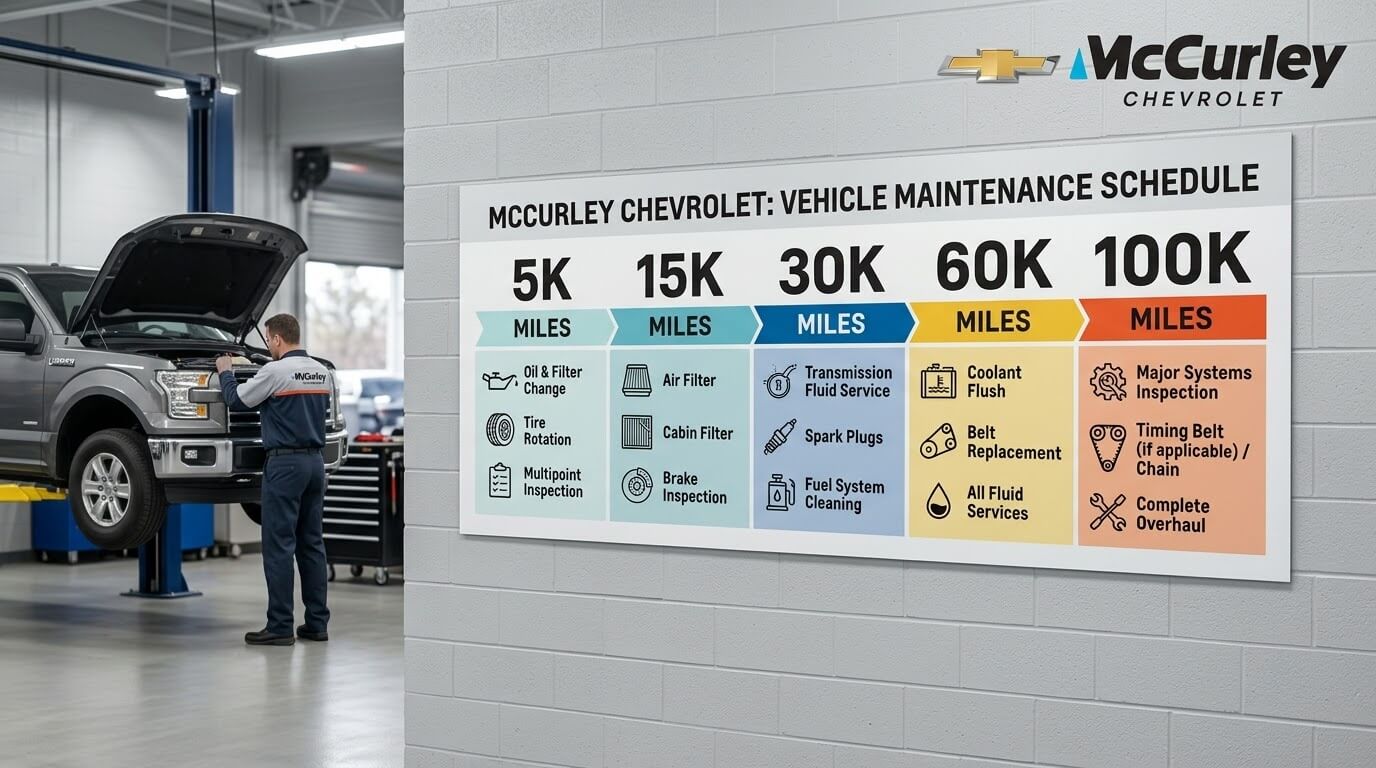
Fuel costs aren't the only factor. EVs generally require less routine maintenance than gas vehicles, since there's no oil to change and fewer moving mechanical parts overall. Over a year of ownership, reduced maintenance costs add to the savings gap beyond just what you're paying at the charger versus the pump.
How Driving Habits Affect the Comparison
Drivers who put higher mileage on their vehicle see the cost gap between EV charging and gas widen further, since fuel savings compound with more driving. Conversely, a driver with lower annual mileage will see a smaller total dollar difference, even though the per-mile cost advantage for EVs still holds.
Factoring In the Higher Upfront EV Price
EVs typically carry a higher upfront purchase price than a comparable gas vehicle, though incentives can offset part of that gap. The real financial picture requires weighing that upfront cost difference against ongoing fuel and maintenance savings over your expected ownership period, not just comparing monthly fuel costs in isolation.
Hybrid as a Middle Ground on Cost
For drivers not ready to commit to full EV charging logistics, hybrid options offer improved fuel economy over standard gas vehicles without the higher upfront cost of a full EV. It's a reasonable middle ground for drivers who want some fuel savings without changing how they fuel up.
Getting Real Numbers for Your Situation
National cost comparisons rarely account for Washington's specific combination of high gas prices and below-average electricity rates. Our Pasco team can walk through actual cost estimates based on your driving habits and the specific Chevrolet models you're considering, giving you a clearer picture than a generic online calculator.
Explore the Full EV GuideGenerally yes. Washington's gas prices rank among the highest in the country, while electricity rates are below the national average, widening the cost gap in favor of EV charging.
Savings vary by driving habits and vehicle efficiency, but Washington's high gas prices tend to make EV savings more significant here than in many other states.
Yes, public charging often carries a per-session or per-kilowatt-hour fee higher than home electricity rates, though most owners primarily charge at home.
Yes, EVs generally require less routine maintenance since there's no oil to change and fewer mechanical parts overall.
Yes, hybrids offer improved fuel economy over standard gas vehicles without requiring the charging logistics of a full EV.
It depends on your driving habits and ownership timeline. Higher mileage drivers tend to recoup the upfront cost difference faster through fuel and maintenance savings.